
SOLAR ENERGY FACTS

South Africa is leading Africa’s solar revolution. It was the first country on the continent to reach 1 GW of installed solar PV capacity — a milestone driven by:
- Over 2,500 hours of sunshine per year
- Solar radiation levels averaging 4.5 to 6.5 kWh/m² per day
As of 2019, solar accounted for nearly 50% of the country’s renewable energy capacity, making it the dominant clean energy source in South Africa.
What Is Solar PV?
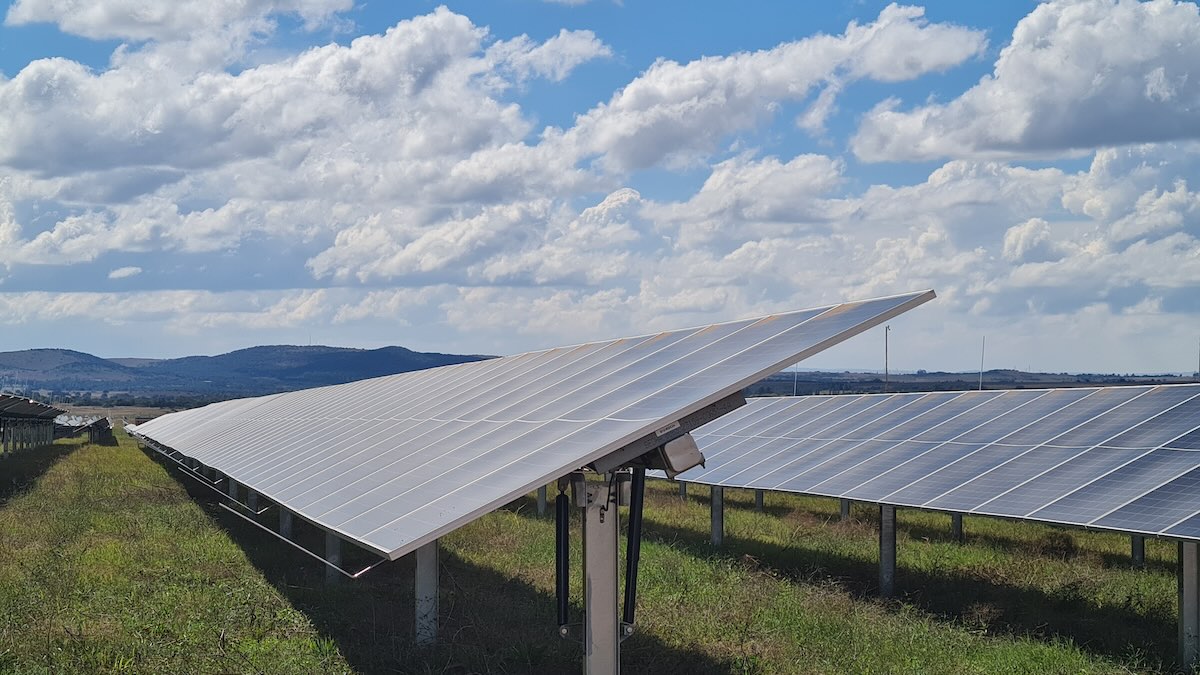
Solar photovoltaic (PV) technology converts sunlight directly into electricity using solar panels. It’s a flexible, low-maintenance solution that powers everything from homes and businesses to large-scale industrial operations.
Why Solar Matters?
Solar PV is more than just a clean power source — it’s a catalyst for change.
- Supports companies seeking to reduce carbon emissions by accessing clean energy.
- Lowers energy costs for businesses and the general public.
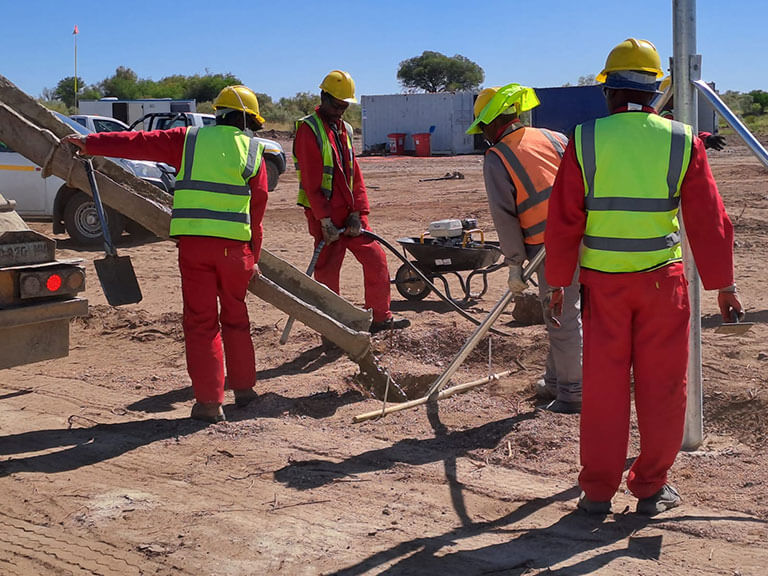
- Creates local jobs in the green economy, especially across rural South Africa.
- Increases energy security and reduces reliance on the state utility.
Solar Myths – Debunked
- “It doesn’t work on cloudy days.” Solar panels still generate power, just at a lower rate.
- “It’s too expensive.” In the past 10 years, South Africa has seen a significant drop in the price of solar PV, making it a more competitive and affordable energy option for new electricity generation.
- “It’s only for large companies.” With flexible contracts like RESAs, more businesses can now access affordable solar power and meet their decarbonisation targets.
How Solar PV Generates Power – Step by Step
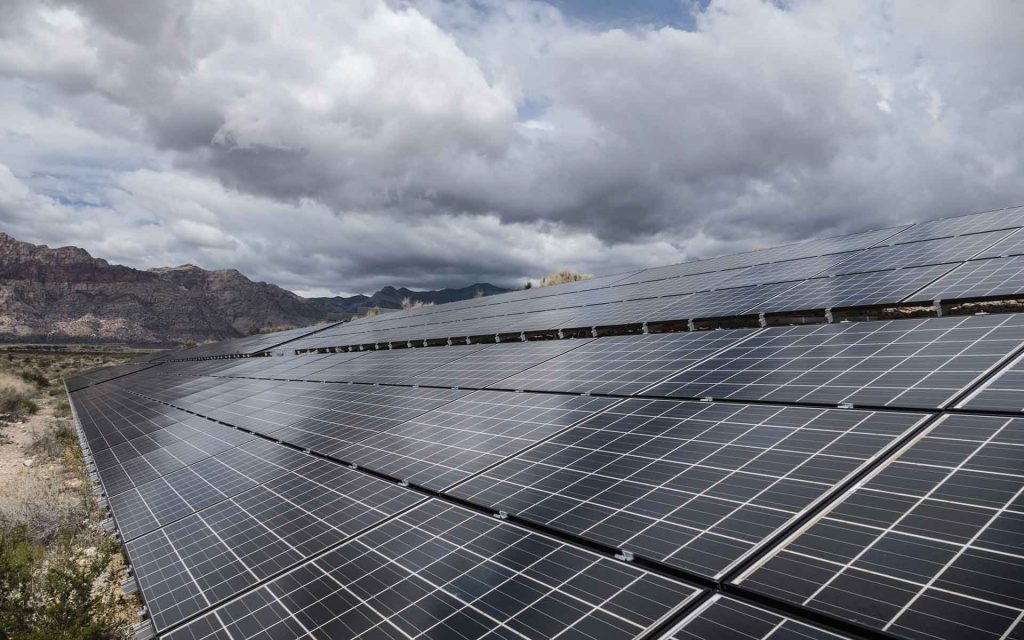
The sun provides abundant energy, but we need technology to convert it into usable electricity. Solar panels (photovoltaic modules), made of semiconductor materials like silicon, capture sunlight and generate direct current (DC) through an electronic reaction. Multiple solar cells are connected to form panels, which are linked in strings. The DC power is then sent to an inverter, which converts it into alternating current (AC) for use in homes and businesses.
- Sunlight Hits the Solar Panels
- Photovoltaic (PV) cells on the panels absorb sunlight and convert it into direct current (DC) electricity.
- DC Power Is Sent to an Inverter
- The inverter transforms the DC electricity into alternating current (AC), which is compatible with the national grid.
- Electricity Flows to a Grid Connection Point
- The AC electricity is transmitted through cables to a designated connection point on the local or national grid.
- Power Is Distributed Across the Grid
- From there, the electricity is supplied to businesses and industry.